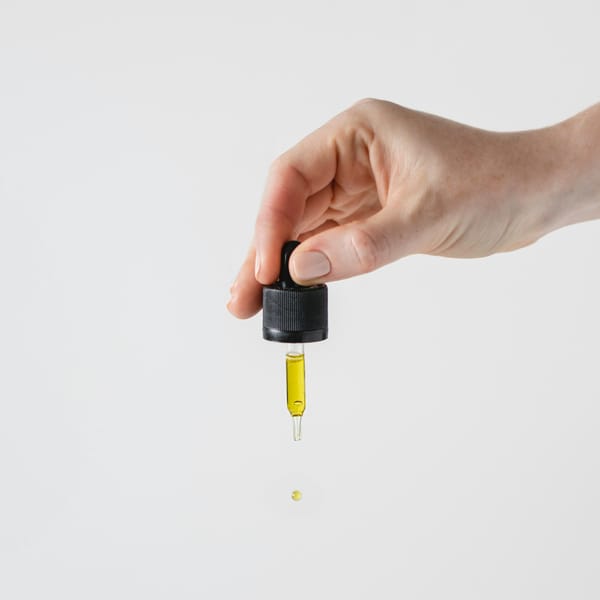
Is CBD Legal in Spain in 2026? Everything You Need to Know
A complete guide to CBD laws in Spain for 2026: what is legal to buy online, why you can be fined carrying flowers on the street, and official EU regulations.

This is a highly recurring question and a necessary conversation. Readers need clarity amidst all the contradictory information found on the internet regarding CBD.
To start, if you aren't familiar with the topic yet, I highly recommend reading up on what is CBD. To summarize and focus on the topic of this article, you must know the most important fact: CBD is not considered a narcotic or an illegal drug.
However, its commercial use is strictly regulated. The situation changes drastically depending on the type of product containing CBD, and there are many factors to consider when selling it.
What You Should Know as a Consumer
We will focus on how the law works when buying these items: what is legal and what you should avoid.
First of all: no, nothing bad will happen to you for buying CBD online.
Many people ask this out of fear of confusing a legal product with an illegal one, or worrying about receiving a product that exceeds the legal THC limit (set at -0.2%). The answer is that you shouldn't worry. If you buy a CBD product from a legal store (like the ones linked on this blog), you won't have any problems.
Companies are responsible for conducting the relevant laboratory tests and ensuring everything complies with current legislation. If, by mistake, they sent you a product with more than 0.2% THC, the company would pay a heavy price; it is their absolute responsibility to guarantee the quality and legality of the product.
CBD on the Street: Can You Carry It?
As a general rule, you should not carry CBD with you in public spaces, especially when it comes to flowers or extracts.
Currently, CBD buds are allowed to be sold under the category of aromatic products, technical use, or collector's items. However, since it is a cannabis derivative, if you are caught carrying these products on the street, they will be confiscated. Even if the product complies with the legal framework for sale, any percentage of THC in public is punishable. That legal limit of -0.2% can still result in a fine.
In the case of Spain, the police apply Article 36.16 of the Citizens' Security Law (commonly known as the "Gag Law" or Ley Orgánica 4/2015 (Ley Mordaza)), which penalizes the consumption or possession of drugs in public areas.
The main problem lies in police procedures and bureaucracy:
- Absolute similarity: CBD flowers are visually and olfactorily identical to illegal, high-THC cannabis.
- Police action: Officers on the street do not have portable laboratories to measure the exact THC percentage of a bud on the spot. Therefore, when in doubt, they confiscate the material and issue a citation. For the administration, that product is initially treated as illegal cannabis for all intents and purposes.
Free Movement of CBD in Europe
In 2020, the Court of Justice of the European Union (CJEU) issued a historic ruling (C-663/18), clarifying that CBD should not be considered a narcotic, thereby endorsing the free movement of these products among member states.
So, why can't I carry it on the street in Spain? Because enforcement in public spaces depends exclusively on the citizen security laws of each individual country:
Oils and cosmetics: Traveling with and carrying properly labeled CBD oils does not usually pose any legal problems in most of Europe, as they are not easily confused with illegal drugs.
CBD Flowers: In most European countries, the exact same practical problem occurs as in Spain: security forces confiscate the flowers due to their identical resemblance to illegal cannabis.
The German Exception: The major exception today is Germany, which in 2024 legalized and decriminalized the possession of up to 25 grams of cannabis (including THC) in public for adults. In German territory, carrying CBD flowers on the street no longer poses a risk of administrative sanctions, because possession of the plant itself is no longer prosecuted in those amounts.
Disclaimer: This article is strictly for informational and educational purposes. It does not constitute professional legal advice under any circumstances.