CBD Oil: The Exact Dosage Guide Step by Step (2026)
Quick summary: There is no universal CBD dose. The scientific and medical recommendation is to start with a low "base dose" (between 10 and 25 mg per day) and gradually increase it every week until you find relief. Your ideal dose depends on your body weight, metabolism, and the condition you want to treat (anxiety, insomnia, or pain).
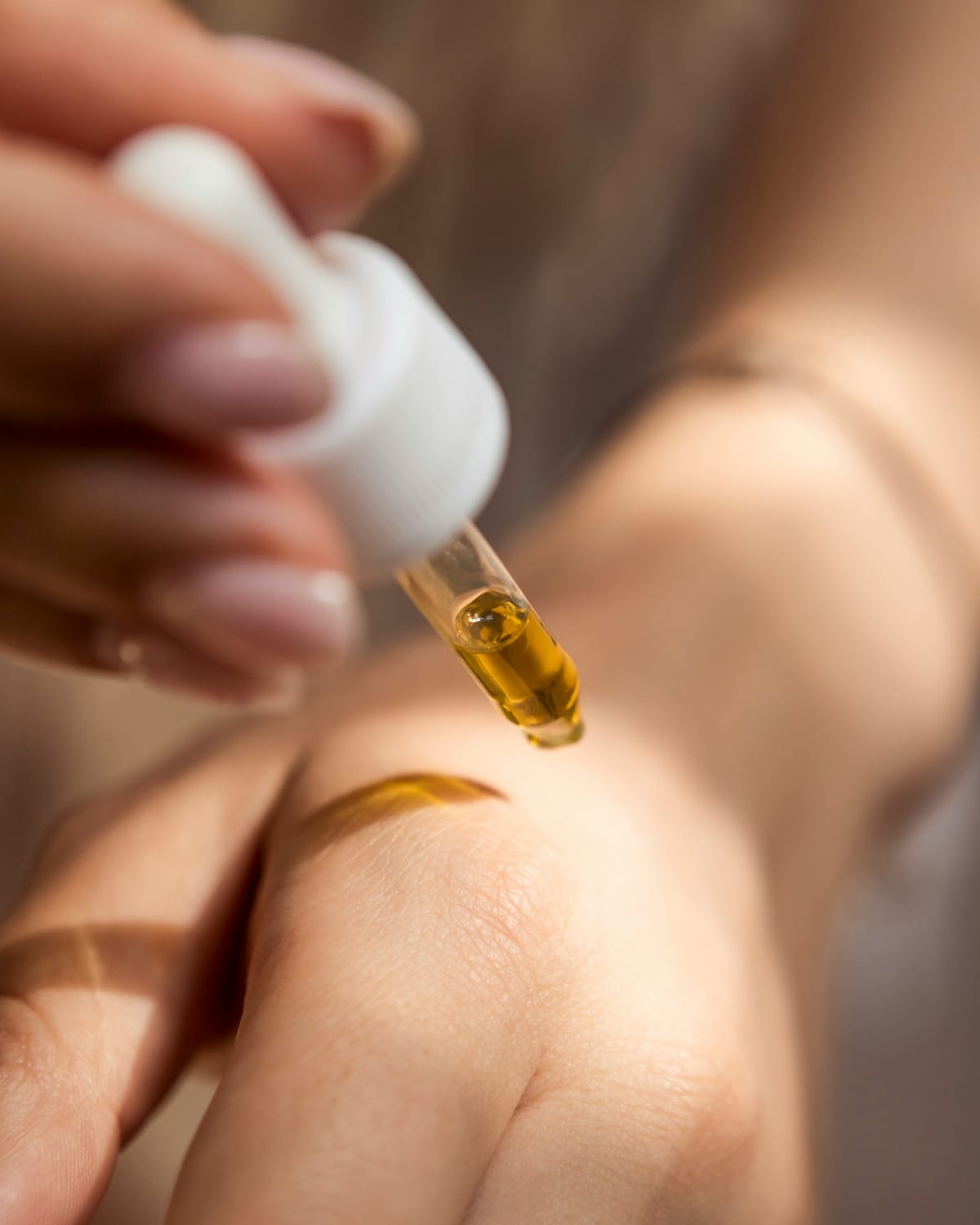
Have you just bought your first bottle of CBD oil and find yourself staring at the dropper looking confused? Don't worry, it is the most common reaction. Unlike ibuprofen, which comes with a fixed dose printed on the box, every person's endocannabinoid system is as unique as a fingerprint.
In this guide, we will demystify the numbers, milligrams, and percentages so you can learn how to calculate your exact dose safely, based on real clinical trials rather than guesswork.
This article may contain affiliate links. If you make a purchase through them, we may receive a commission at no additional cost to you.
Why Isn't There a Universal Dose?
Our bodies process cannabinoids differently. What helps one person sleep deeply might not even make a dent for someone else. The optimal dose depends on four key factors:
- Your body weight.
- Your metabolism and internal chemistry.
- The severity of the issue (mild work stress is not the same as chronic joint pain).
- The concentration of your oil (the famous 5%, 10%, or 20%).
The Golden Rule: "Start Low, Go Slow"
Phytomedicine experts are unanimous: the best strategy is stepwise dosing. This means starting with a small amount of milligrams (mg) and observing how your body reacts for 5 to 7 days before increasing the dose.
Suggested Starting Dose Chart (By Weight)
| Your Body Weight | Starting Dose (Mild) | Medium Dose (Moderate) | High Dose (Severe) |
| Under 130 lbs (60 kg) | 10 - 15 mg / day | 15 - 20 mg / day | 20 - 30 mg / day |
| 130 - 200 lbs (60-90 kg) | 15 - 20 mg / day | 20 - 30 mg / day | 30 - 45 mg / day |
| Over 200 lbs (90+ kg) | 20 - 30 mg / day | 30 - 45 mg / day | 45 - 60+ mg / day |
How to Convert Milligrams (mg) into Drops?
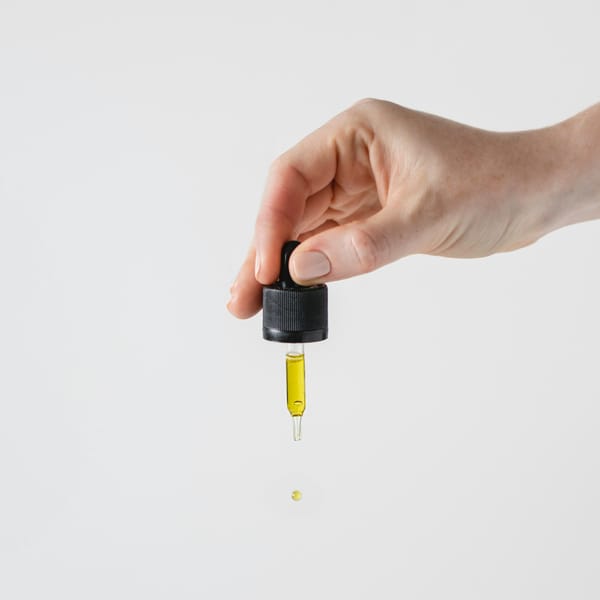
This is where people get lost, but it's basic math. A standard bottle of CBD oil is 10 ml (about 200 drops in total). Depending on the percentage you buy, each drop will contain more or less CBD:
- 5% Oil (500 mg): 1 drop = 2.5 mg of CBD.
- 10% Oil (1000 mg): 1 drop = 5 mg of CBD.
- 20% Oil (2000 mg): 1 drop = 10 mg of CBD.
Practical example: If you weigh 165 lbs (75 kg) and want to start with a medium dose of 20 mg per day, you will need 4 drops of a 10% oil (4 x 5 mg = 20 mg).👉 View the Cibdol Oil (10% CBD) recommended by CBDHoy to get started
Dosing According to Your Goal (What Science Says)
Although every body is different, clinical trials give us clues about the ranges that are usually effective:
- Anxiety and Stress: Studies (such as those conducted by Shannon et al.) show that moderate doses (25 to 50 mg daily) split between morning and night help stabilize the nervous system.
- Insomnia: Higher doses administered 30 to 60 minutes before bedtime. It is common to start at 25 mg, as very low doses can have a mild stimulating effect.
- Pain and Inflammation: This requires patience. Chronic relief often requires medium/high doses (30 to 60 mg) and continuous use over several weeks to reduce systemic inflammation.
Can You Overdose on CBD?
Science is clear: CBD has an excellent safety profile. Clinical trials have administered doses of up to 1500 mg daily in humans without severe toxicity. However, taking more than your body needs will not make you feel "better"; you will simply be wasting money and could experience drowsiness or mild stomach upset.
If you are on regular medication, remember to consult your doctor before starting, as CBD is processed in the liver and can interact with some prescription drugs.
Scientific Sources and References:
- Shannon, S., et al. (2019). Cannabidiol in Anxiety and Sleep: A Large Case Series. The Permanente Journal.
- Millar, S. A., et al. (2019). A Systematic Review of Cannabidiol Dosing in Clinical Populations. British Journal of Clinical Pharmacology.
- World Health Organization (WHO). (2018). Cannabidiol (CBD) Critical Review Report.
Medical Disclaimer
The information provided in this article is intended for educational and informational purposes only. It should not be considered medical advice, diagnosis, or treatment. Always consult a qualified healthcare professional before using CBD, especially if you are pregnant, breastfeeding, have a medical condition, or are taking prescription medications.