CBD for Sleep: How to Use It for Insomnia (Scientific Guide 2026)

Quick Summary: Yes, science supports that CBD helps you sleep indirectly. Although it is not a chemical sleeping pill, cannabidiol reduces nocturnal anxiety, modulates cortisol, and relieves chronic pain through its interaction with the Endocannabinoid System, improving the quality of deep rest (NREM sleep) without causing dependence or morning grogginess.
Chronic insomnia has become one of the silent epidemics of the 21st century. Millions of people toss and turn in bed every night, trapped in a loop of stress, mental rumination, and morning fatigue. Given the side effects and the risk of dependence on traditional sleeping pills, the interest in natural alternatives has skyrocketed. This is where CBD oil for sleep comes into play, a hemp-derived compound that promises to modulate rest without altering consciousness.
But what is the truth behind all this? Is it a commercial miracle or a scientifically backed resource? We analyze the latest clinical studies to discover how cannabidiol acts in our body and how to choose the right format.
This article may contain affiliate links. If you make a purchase through them, we may receive a commission at no additional cost to you.
1. Is It True That CBD Helps You Sleep? Scientific Evidence
To answer with rigor, we must clarify a fundamental myth: CBD is not a chemical sedative or a pharmaceutical sleeping pill. If you take a few drops expecting to fall unconscious in two minutes, you will be disappointed. What CBD does is address the underlying roots that ruin your rest: nocturnal anxiety, chronic pain, and nervous system hyperactivation.
Pioneering observational clinical studies, such as the one by Shannon et al. (2019) published in The Permanente Journal, evaluated 72 patients with anxiety and sleep disorders. The results revealed that anxiety scores decreased in 79% of the patients, while sleep quality visibly improved in 66% of the cases during the first month of follow-up.
Likewise, recent reviews in phytomedicine and neurology confirm that cannabinoids show a significant improvement in subjective sleep architecture, helping to prolong deep rest phases (NREM sleep) without causing lethargy the next day.
👉 Try Cibdol Complete Sleep, recommended by CBDHoy2. How Does CBD Act in the Body? The Physiological Process
To understand why cannabidiol promotes rest, we must look inside ourselves: the Endocannabinoid System (ECS). The ECS is a cellular signaling network responsible for maintaining the body's internal balance or homeostasis (regulating mood, inflammation, pain, and sleep-wake cycles).
- Serotonin Regulation (5-HT1A Receptors): CBD interacts indirectly with these brain receptors, reducing acute anxiety and curbing nighttime "mental rumination".
- Cortisol Modulation: In people with chronic stress insomnia, cortisol (the alertness hormone) levels spike at night. CBD helps balance these spikes.
- Analgesic Effect (TRPV1 Receptors): Relieving minor joint or muscle discomfort prevents intermittent awakenings caused by physical pain.
CBD Dosage for Sleep: How Many Drops to Take
To get the exact amount right, experts recommend starting gradually (the start low and go slow method). Generally, clinical studies suggest that moderate or high doses (starting from 25 mg of CBD per dose) are required to observe sustained positive effects on deep sleep.
| Experience Level | Recommended Initial Dose | Practical Tip |
|---|---|---|
| Absolute beginner | 10 mg - 15 mg (approx. 3-5 drops of 10% oil) | Maintain this amount for 4-5 days to evaluate tolerance. |
| Moderate insomnia / Stress | 20 mg - 30 mg | Ideal for stopping mental rumination before bed. |
| Persistent insomnia / Prior tolerance | 40 mg or higher | Usually requires medium-high concentration oils (15% or 20%). |
3. What is the Best Way to Take It for This Purpose?
Not all products on the market are suitable for inducing sleep. The administration route and concentration determine the success of the treatment:
- Full Spectrum Oils: They are the recommended option. They contain all the natural cannabinoids and terpenes of the plant (such as myrcene and linalool), enhancing the "entourage effect". You can check tested options in our comparison of the best CBD oils.
- Synergies with Melatonin: Formats that combine CBD oil with melatonin attack insomnia from two fronts: melatonin signals the circadian rhythm and CBD relaxes the nervous system.
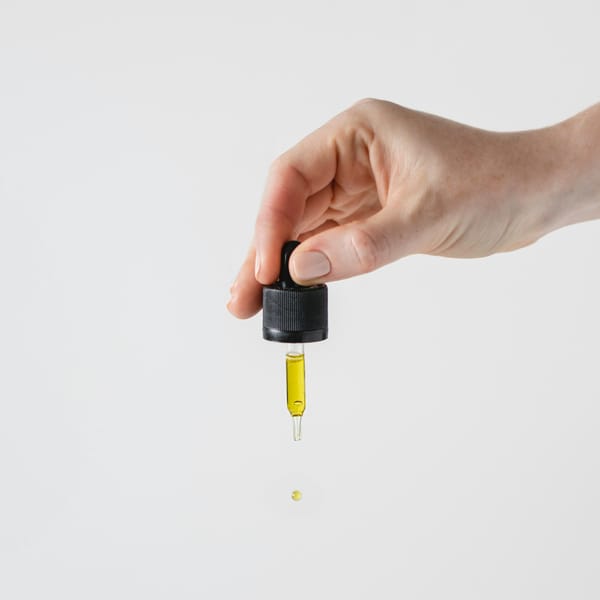
- Timing: It is recommended to administer the drops sublingually 30 to 45 minutes before going to bed to allow optimal absorption into the bloodstream.
4. Who Is It Recommended For and What Are the Contraindications?
The use of CBD for sleep is especially indicated for:
- People with occasional or chronic insomnia derived from work stress, anxiety, or rotating shifts.
- Individuals suffering from nocturnal awakenings caused by muscle pain or mild inflammation.
Precautions and Contraindications: Although the WHO has declared that CBD is safe and does not cause addiction or dependence, it is not recommended during pregnancy or breastfeeding. It should also not be combined with anticoagulant drugs or those metabolized by the liver (via the CYP450 enzyme) without prior consultation with a medical specialist.
5. Frequently Asked Questions (FAQ)
Does it create dependence or a rebound effect when stopped?
No. Unlike benzodiazepines or prescription hypnotic drugs, CBD does not alter GABA receptors in the same addictive way, so it does not generate tolerance or withdrawal syndrome.
Will I wake up with a "hangover" or groggy in the morning?
Not at all. CBD improves sleep quality naturally without leaving the morning lethargy typical of chemical sleeping pills.
Scientific References
Medical Disclaimer
The information provided in this article is intended for educational and informational purposes only. It should not be considered medical advice, diagnosis, or treatment. Always consult a qualified healthcare professional before using CBD, especially if you are pregnant, breastfeeding, have a medical condition, or are taking prescription medications.